
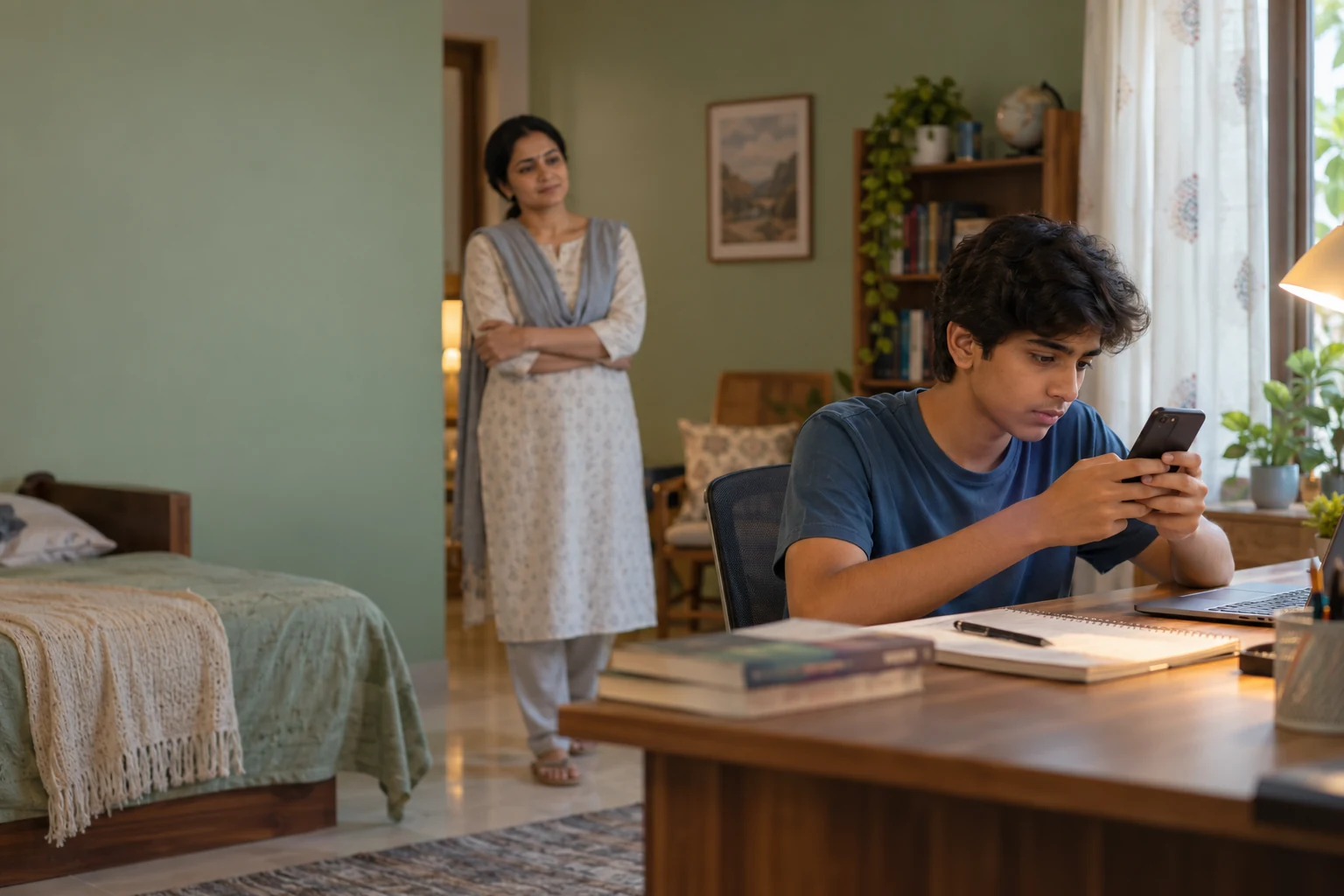
Learn when screen use becomes a concern and how to build balance.
Screens are part of education, entertainment and communication. Using a phone, tablet or computer does not automatically mean that a child has an addiction. The concern begins when screen use becomes difficult to control and repeatedly affects sleep, studies, relationships, physical activity or emotional wellbeing.
Parents can respond more effectively by focusing on the impact of screen use rather than only counting hours.
When Does Screen Use Become a Concern?
- The child becomes extremely upset whenever a device is removed
- Screen use regularly delays sleep or causes daytime tiredness
- Studies, hobbies, meals or family time are repeatedly ignored
- The child hides or lies about screen use
- Online activities become the main way of coping with sadness, boredom or stress
- The child loses interest in previously enjoyed activities
- Screen use continues despite clear negative consequences
- Online gaming or social media affects friendships, mood or daily responsibilities
Why Are Screens So Difficult to Put Down?
Digital applications, social platforms and games are intentionally designed with intermittent rewards and endless loops that stimulate dopamine release, making self-regulation especially tough for developing brains.

How Parents Can Build Healthier Digital Habits
Create Clear and Predictable Rules
Establish device-free zones like dinner tables and bedrooms. Set consistent, age-appropriate guidelines that the whole family understands.
Protect Sleep and Family Time
Turn off screens at least 45 minutes before bedtime to prevent sleep cycle disruption and cultivate peaceful evening wind-down rituals.
Model the Behaviour You Expect
Children observe parental device habits. Practise putting down your own phone during family discussions and shared activities.
Offer Meaningful Alternatives
Encourage outdoor play, creative hobbies, sports and hands-on family games that provide genuine satisfaction and excitement away from glowing displays.
Talk Without Shaming
Approach conversations with curiosity about what your child enjoys online rather than immediate criticism, creating open communication channels.
When May Professional Support Help?
If digital habits lead to severe behavioral outbursts, school decline or persistent social withdrawal, child and adolescent psychologists can provide gentle, structured behavioral interventions.

The Goal Is Balance, Not Fear
Screens are powerful tools. With positive family boundaries, children can learn mindful digital literacy that serves their growth without controlling their lives.
Fostering digital balance is not about total deprivation, but about helping young minds develop healthy self-control, emotional awareness and real-world connections.