For many people in small towns across Kerala, getting mental health support has meant a long journey, a lost day’s wages and the worry of being seen walking into a clinic. Video counselling is changing that. Platforms and clinics such as Hello Mind Clinics now let people speak with qualified professionals from their own homes, at times that suit them, without leaving their town.
This article looks at why distance was never the only barrier, what Kerala already had in place that made online counselling work, who is using it and what to check before you book.
Why Distance Was Never the Only Problem
When people talk about the mental health gap in smaller towns, they usually blame the shortage of professionals. That is true, but the barriers are layered:
- The visibility problem. In a town where everyone knows everyone, a visit to a counselling clinic does not stay private for long.
- The time problem. Farmers, shopkeepers, nurses on rotating shifts and homemakers managing a household cannot easily spare half a day.
- The fit problem. A town may have a general practitioner but not a counsellor who works with teenagers, couples or grief.
- The language problem. Many people can only express emotions comfortably in Malayalam, and not every professional offers sessions in it.
Video counselling removes the first two barriers almost entirely and eases the last two by widening the pool of professionals a person can choose from.
Three Things Kerala Already Had
Video counselling did not need to build a habit from scratch in Kerala. Three things were already in place.
1. A video-calling culture. With so many families connected to relatives working in the Gulf and elsewhere, a video call is a normal way to keep close. Sitting in front of a screen to talk about something important is not unfamiliar.
2. Wide connectivity. Mobile internet is common even in many rural areas, and the state’s K-FON fibre project is working to bring broadband to more households and public institutions. A stable 4G connection is usually enough for a counselling session.
3. Changing attitudes. Exam stress, burnout, anxiety and relationship strain are discussed far more openly now, particularly by younger Keralites, and schools and colleges increasingly run counselling programmes. Online sessions give those who become curious a private way to take the next step.
Who Is Using It
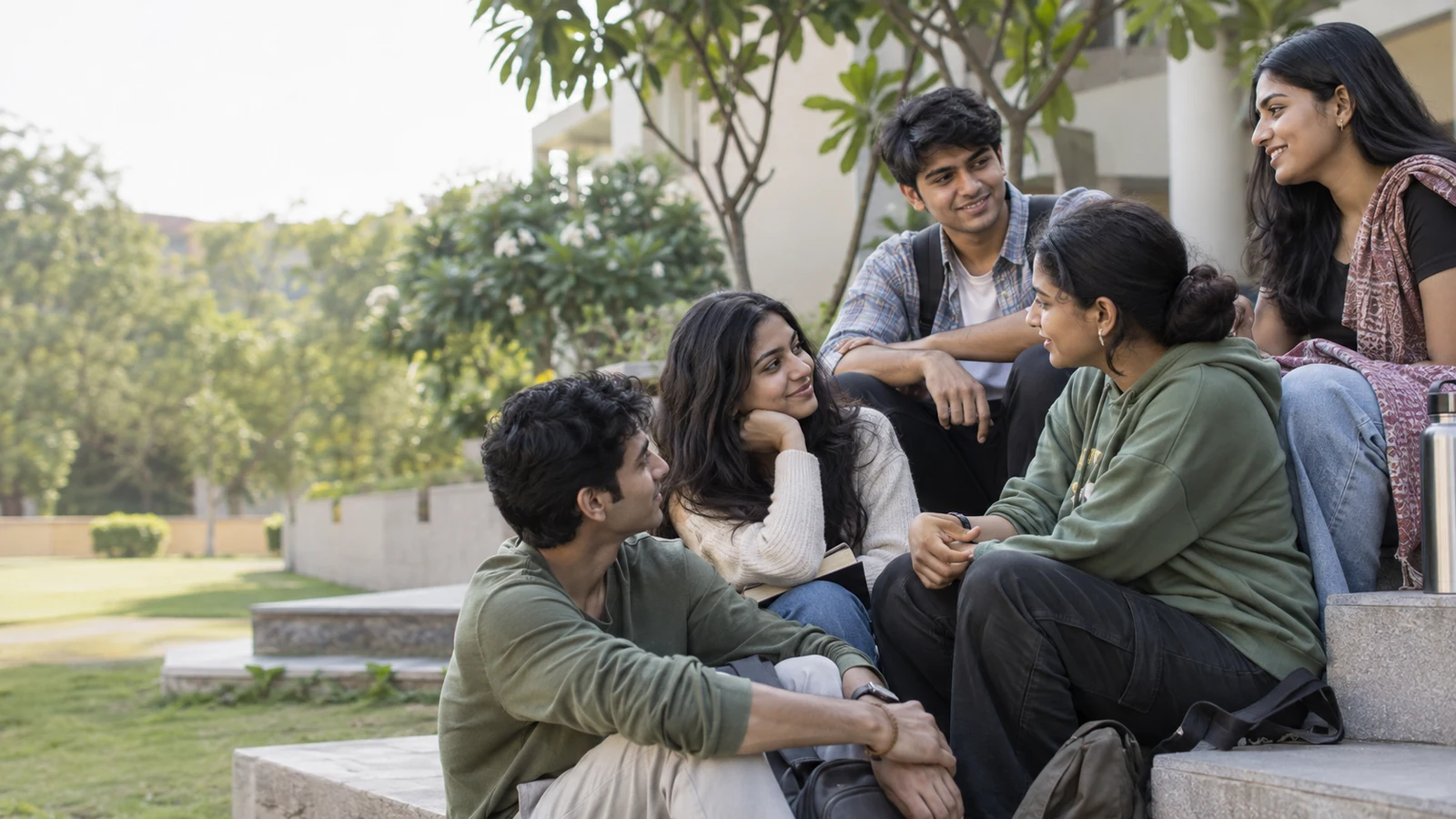
- Students who fit sessions around classes and keep their concerns private from peers.
- Women and homemakers who may not be able to travel alone or whose family may be unsupportive of therapy.
- Spouses and parents of Gulf migrants, who can sometimes join a session together across time zones.
- Caregivers of older family members, who need support for their own stress, not just the patient’s.
- Parents looking for guidance on screen time, school refusal or behavioural changes in a child.
What Works Well Online, and What Doesn’t
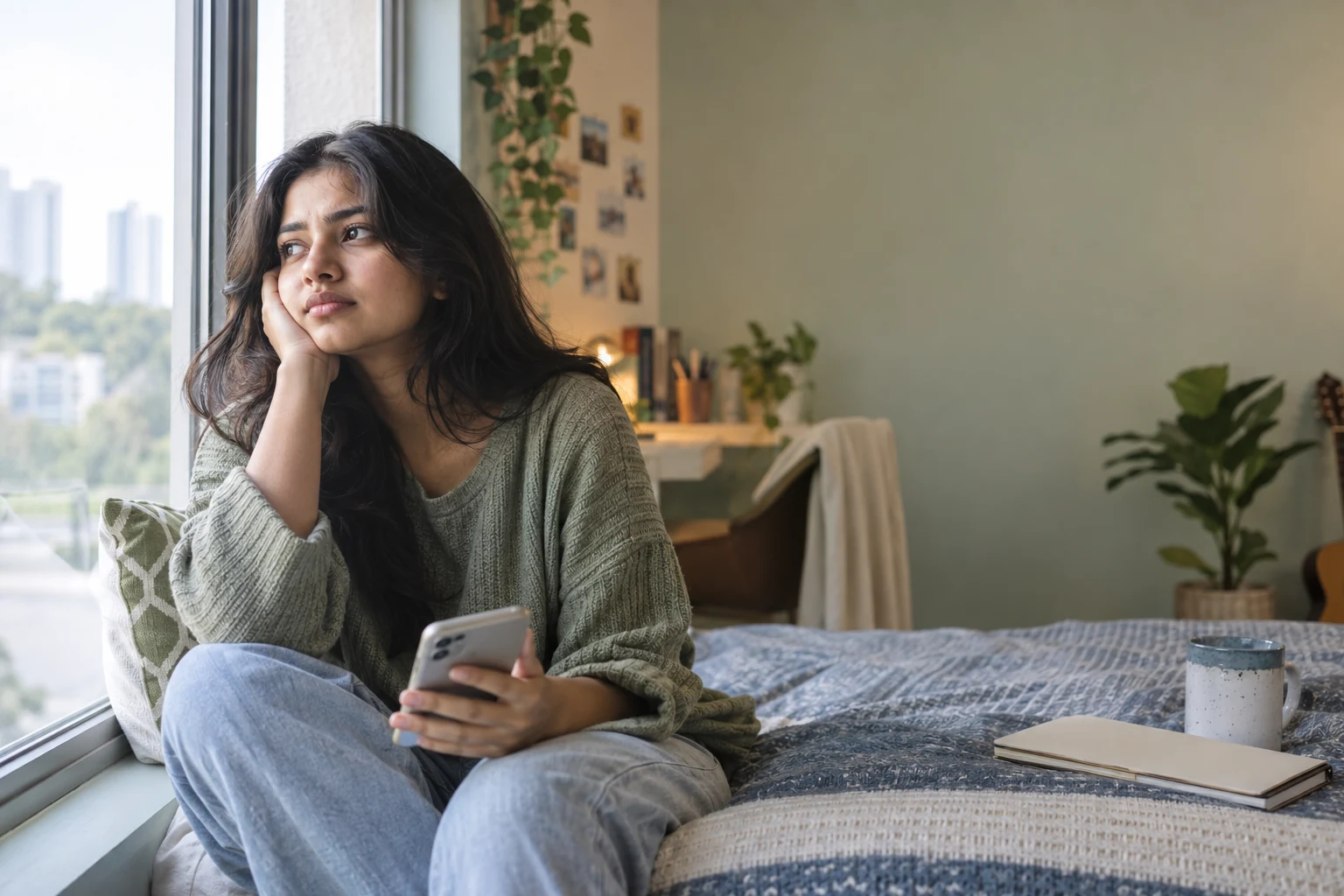
There are clear limits, though. People in acute crisis, with thoughts of harming themselves or others, or showing symptoms like hearing voices or severe confusion, need urgent in-person care. Online counselling is also not a replacement for a psychiatrist when medication is needed, although many psychiatrists now consult online as well.
The Bottom Line
The shift to video counselling in Kerala is less about technology than about access. When a session needs only a phone, a quiet room and an hour, far more people can take that first step. If you have been putting off reaching out, a single conversation can be an easy place to start.